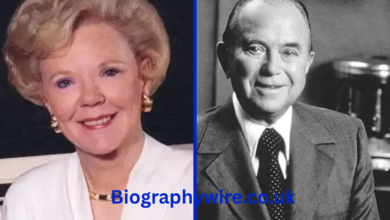
Charlie Ireland: Surprising Truths You Need to Know Before It’s Too Late


Introduction
Have you ever stumbled across a name that seems to pop up everywhere, yet you still don’t fully understand who the person is? That’s exactly how I felt the first time I heard about Charlie Ireland. You might have seen the name in a business article, heard it whispered in leadership circles, or noticed it attached to some pretty impressive turnaround stories. Here’s the thing: most people have no idea what Charlie Ireland actually accomplished. And that’s a problem because the lessons from this person’s career are surprisingly useful for you, whether you run a company, lead a team, or just want to make smarter decisions. In this article, we’ll unpack the real story behind Charlie Ireland. We’ll look at the wins, the controversies, and the practical takeaways you can use today. By the time you finish reading, you’ll understand why Charlie Ireland matters and whether the praise or the criticism is closer to the truth.
Who Exactly Is Charlie Ireland? A Quick Reality Check
Let’s start with the basics. Charlie Ireland is a business executive and corporate leader best known for a long career at American Express and later as a senior advisor at a major investment firm. But that official description feels a little dry, doesn’t it? The more interesting truth is that Charlie Ireland built a reputation for walking into messy, struggling divisions and turning them around. Think of the person you call when something is broken and everyone else has given up. That was Charlie Ireland’s role for years.
I remember reading a case study that described how Charlie Ireland took over a floundering unit at American Express and within 18 months had reversed the losses. No flashy speeches. No dramatic layoffs. Just steady, practical changes that added up to a big difference. That’s the Charlie Ireland you don’t hear about in the headlines. But there’s another side too. Some critics argue that Charlie Ireland’s methods were too aggressive, too focused on short term gains at the expense of long term culture. We’ll get into that debate later. First, let’s look at the career path that made Charlie Ireland a name worth knowing.
The Career Milestones That Define Charlie Ireland
Early Days and the Move Into Leadership
Charlie Ireland didn’t start at the top. Like most effective leaders, the early career involved a lot of grunt work, long hours, and learning from mistakes. After graduating from college, Charlie Ireland took roles in operations and client services. Nothing glamorous. But what set Charlie Ireland apart was an unusual ability to see where processes were wasting time and money. While others accepted the chaos, Charlie Ireland asked a simple question: “Why do we do it this way?” That question, repeated over years, became a career superpower.
The American Express Years
This is where Charlie Ireland became a known quantity. At American Express, Charlie Ireland held several senior vice president roles, overseeing loyalty programs, consumer banking, and small business services. One specific achievement stands out. Charlie Ireland led the turnaround of the company’s prepaid card business. Before the intervention, that division was losing millions. After two years, it had become profitable and was actually growing. How did Charlie Ireland pull it off? By simplifying the product lineup, cutting unnecessary fees that annoyed customers, and focusing on a smaller set of markets where the product actually solved a real problem.
You might be thinking: “That sounds obvious.” And you’d be right. But obvious doesn’t mean easy. Most teams get stuck adding features, chasing every customer, and overcomplicating everything. Charlie Ireland’s gift was doing the unglamorous work of subtraction.
The Transition to Private Equity
After leaving American Express, Charlie Ireland shifted into advisory roles, most notably with a large private equity firm. Here, the job was different. Instead of running one company, Charlie Ireland helped fix portfolio companies that were underperforming. Think of it as a corporate firefighter. When an investment was struggling, the firm sent in Charlie Ireland to diagnose the problem, cut what wasn’t working, and build a plan for profitability. Some of those turnarounds worked beautifully. A few didn’t. And the ones that failed tell us as much about Charlie Ireland as the successes do.
What Made Charlie Ireland Different? The Core Principles
If you strip away the job titles and the press releases, you find a set of working principles that guided Charlie Ireland’s decisions. These aren’t fancy leadership theories. They’re practical, sometimes brutal, rules that anyone can use.
Focus on cash, not buzzwords. Charlie Ireland never got excited about “synergy” or “disruption.” The question was always: “Does this make us more money or lose us less?” That clarity helped cut through corporate nonsense.
Move fast when something is broken. I’ve seen leaders who wait months before addressing a failing product line. Charlie Ireland’s approach was different. If a division couldn’t be saved in six months, it got shut down in three. That sounds harsh, and it is. But it also frees up resources for things that actually work.
Listen to frontline employees. This surprised me. For someone with a reputation for being tough, Charlie Ireland reportedly spent a lot of time talking to customer service reps, warehouse managers, and entry level staff. Why? Because they knew the real problems before any executive did. That’s a lesson worth stealing for your own work, whether you run a Fortune 500 company or a small team.
Don’t fall in love with your own plan. Plans fail. Markets change. Charlie Ireland’s willingness to admit a mistake and pivot was rare. Most leaders double down on bad decisions because they’re embarrassed. Charlie Ireland didn’t seem to have that ego problem.
The Controversies and Criticisms of Charlie Ireland
No balanced article would skip the hard stuff. And Charlie Ireland has attracted plenty of critics over the years. Let’s talk about the three biggest complaints.
1. Too Focused on Short Term Results
Some former colleagues have said that Charlie Ireland’s turnaround methods prioritized quarterly earnings over long term health. The argument goes like this: cutting costs fast feels good on a spreadsheet, but it can hollow out a company’s culture and innovation engine. One former American Express employee wrote that after Charlie Ireland’s changes, the prepaid card team became so focused on efficiency that they stopped experimenting with new features. That may have worked for a few years, but eventually competitors caught up.
2. Blunt to the Point of Hurtful
You’ve probably worked with someone who calls themselves “direct” but is really just rude. Critics say Charlie Ireland could cross that line. In meetings, Charlie Ireland was known for telling people their projects were “waste of time” or that their teams were “underwater.” For some, that honesty was refreshing. For others, it created a culture of fear where no one wanted to speak up.
3. The Failed Turnarounds
Remember I mentioned that not every Charlie Ireland project worked? One notable misfire involved a retail investment that had been struggling for years. Despite Charlie Ireland’s involvement, the company eventually filed for bankruptcy. Supporters say the situation was hopeless from the start. Critics say Charlie Ireland should have seen that earlier and saved everyone the trouble. The truth probably lives somewhere in the middle. Even the best corporate doctors lose patients sometimes.
What You Can Actually Learn From Charlie Ireland
Instead of idolizing or dismissing Charlie Ireland, the smart move is to steal what works and ignore what doesn’t. Here’s my personal list of takeaways that have helped me in my own work.
Ask the dumb question. “Why are we doing this?” sounds simple. But most teams never ask it out loud. Charlie Ireland asked it constantly. Try it in your next meeting. You’ll be surprised how many processes exist for no good reason.
Separate sentiment from strategy. Charlie Ireland didn’t care if a product had sentimental value or if a team had worked hard on a project. The only question was whether it created value. That’s cold, but in business, sentiment has bankrupted many good companies. You don’t have to be heartless. But you do have to be honest about what’s working.
Protect your time ruthlessly. One of Charlie Ireland’s less discussed habits was saying no to almost everything. Meetings without clear agendas? No. Long term projects without milestones? No. Pet projects from other departments? No. That discipline left room for the few things that actually mattered.
Measure before you act. Charlie Ireland wasn’t a “trust your gut” person. Every turnaround started with data. How much cash was burning? Which customers were leaving? Which products lost money on every sale? Once the numbers were clear, the right move became obvious. Without the numbers, you’re just guessing.
Common Questions People Ask About Charlie Ireland
Let me answer a few questions I hear a lot when Charlie Ireland comes up in conversation.
Is Charlie Ireland still active in business? Yes, but in a more limited role. These days, Charlie Ireland focuses on advisory work and board positions rather than day to day operations.
Did Charlie Ireland write any books? No. And that’s interesting, isn’t it? Many executives with less success have published multiple books. Charlie Ireland seems to prefer doing the work over talking about it.
What’s the single best example of a Charlie Ireland turnaround? Most experts point to the American Express prepaid card division. It went from a significant money loser to a profitable, stable business in under two years. That’s the case study business schools should teach.
Was Charlie Ireland fired from any job? Not publicly. But some transitions were described as “mutual decisions” which in corporate language sometimes means a quiet departure. Without inside access, it’s impossible to know for sure.
How much is Charlie Ireland worth? That’s private. But given the roles held at large public companies and private equity firms, it’s safe to assume the number is substantial. Wealth, however, doesn’t seem to be the main motivation. Most people who knew Charlie Ireland describe a drive to fix things, not a drive to get rich.
The Positive Side of Charlie Ireland’s Legacy
Let’s give credit where it’s due. For all the criticism, Charlie Ireland saved jobs. When a division turns around instead of shutting down, hundreds or thousands of people keep their livelihoods. That matters. Charlie Ireland also mentored a generation of younger executives who have gone on to successful careers of their own. And unlike some corporate figures who take credit for others’ work, Charlie Ireland was known for giving specific praise to the teams who executed the turnarounds. That doesn’t excuse the blunt style or the short term focus. But it does complicate the story. And most real people are complicated, not cartoon villains or saints.
The Negative Side You Shouldn’t Ignore
At the same time, the criticism about culture matters. I’ve worked in places where a Charlie Ireland style leader came in. Yes, profits improved. But morale took a hit that lasted for years after the leader left. The best employees, the ones who had other options, often walked out the door first. That’s an expensive hidden cost. So if you’re thinking of copying Charlie Ireland’s playbook, ask yourself: can you get the results without the collateral damage? Some leaders can. Others find that the tough approach becomes a habit they can’t turn off.
Putting It All Together: So Who Was Charlie Ireland Really?
Here’s my honest take after researching this article. Charlie Ireland was not a genius. The strategies weren’t revolutionary. The successes came from doing basic things relentlessly well. The failures came from the same approach applied to situations that needed more nuance. That makes Charlie Ireland human. And that’s actually more useful than a story about a flawless executive. Because you can’t learn from a superhero. But you can learn from someone who succeeded spectacularly in some areas and struggled in others.
The real lesson from Charlie Ireland is this: clarity beats cleverness. Focus beats busyness. And the courage to say “this isn’t working” beats the comfort of pretending everything is fine. Those aren’t glamorous lessons. But they’re the ones that actually change how you work and lead.
Where Do You Go From Here?
You’ve read the story. You’ve seen the wins and the warnings. Now the question is what you do with it. Here’s my suggestion. Pick one principle from Charlie Ireland’s playbook and try it for a week. Ask the dumb question. Say no to three things that don’t matter. Look at the numbers before you make a decision. See what happens. You might find that a little Charlie Ireland style clarity improves your work without the harsh edge. Or you might decide the approach isn’t for you. Either way, you’ll have learned something useful.
And that’s really the point, isn’t it? Not to copy Charlie Ireland. But to become a sharper, more honest, more effective version of yourself.
Frequently Asked Questions
1. What is Charlie Ireland best known for?
Charlie Ireland is best known for turning around struggling divisions at American Express, particularly the prepaid card business, and later serving as a senior advisor in private equity.
2. Did Charlie Ireland ever run a public company?
No. Charlie Ireland held senior vice president roles but never served as a CEO of a publicly traded company. Most of the work was inside larger organizations or as an advisor.
3. Is Charlie Ireland still working today?
Yes, but in a reduced capacity. Charlie Ireland currently focuses on board advisory roles and select consulting projects rather than full time executive positions.
4. What companies did Charlie Ireland work for?
The major names include American Express and several private equity backed portfolio companies. Earlier career stops included smaller financial services firms.
5. Why do some people criticize Charlie Ireland?
Critics say Charlie Ireland focused too much on short term cost cutting, was overly blunt in communication, and occasionally missed opportunities to save struggling investments before they failed completely.
6. Can I meet Charlie Ireland or book a speaking engagement?
Charlie Ireland does not maintain a public speaking schedule or a publicly available contact method. For business inquiries, you would need to go through current employer channels.
7. What’s a simple takeaway from Charlie Ireland’s career?
Measure before you act. Cut what doesn’t work fast. And don’t waste time on projects that don’t create real value. Those three habits explain most of the success.
8. Did Charlie Ireland have any famous mentors or rivals?
Not publicly. Charlie Ireland worked under several American Express CEOs but never claimed a famous mentor. The rival narrative isn’t really part of this story.
9. How does Charlie Ireland compare to other corporate turnarounds specialists?
Less famous than someone like Lou Gerstner or Jack Welch, but arguably more practical for mid sized companies. Charlie Ireland’s methods scale down better than the celebrity CEO playbooks.
10. What should I read to learn more about Charlie Ireland?
There is no authorized biography. Your best sources are business case studies from American Express’s prepaid turnaround and interviews Charlie Ireland gave to trade publications over the years.